I like this guide because it focuses on technique more than complexity. I appreciate how it teaches me how to handle puff pastry correctly so the layers rise beautifully. I also love how adaptable it is, since I can switch fillings based on what I am cooking or what I have on hand.
Ingredients
(Here’s a tip: Check out the full list of ingredients and measurements in the recipe card below.)
1 package frozen puff pastry, thawed and kept cold
1 large egg
1 tablespoon water
1 cup savory or sweet fillings such as cheese, vegetables, or meats
Salt and pepper, to taste
Directions
I thaw the puff pastry in the refrigerator until it is pliable but still cold to the touch.
I lightly flour my work surface and rolling pin so the dough does not stick or warm up too much.
I gently roll the pastry evenly, taking care not to press too hard so the butter layers stay intact.
I cut the dough using clean, sharp cuts to help the edges rise high and crisp.
I add my fillings sparingly, then seal the edges firmly with a fork.
I whisk the egg with water and brush the tops of the pastry with the egg wash.
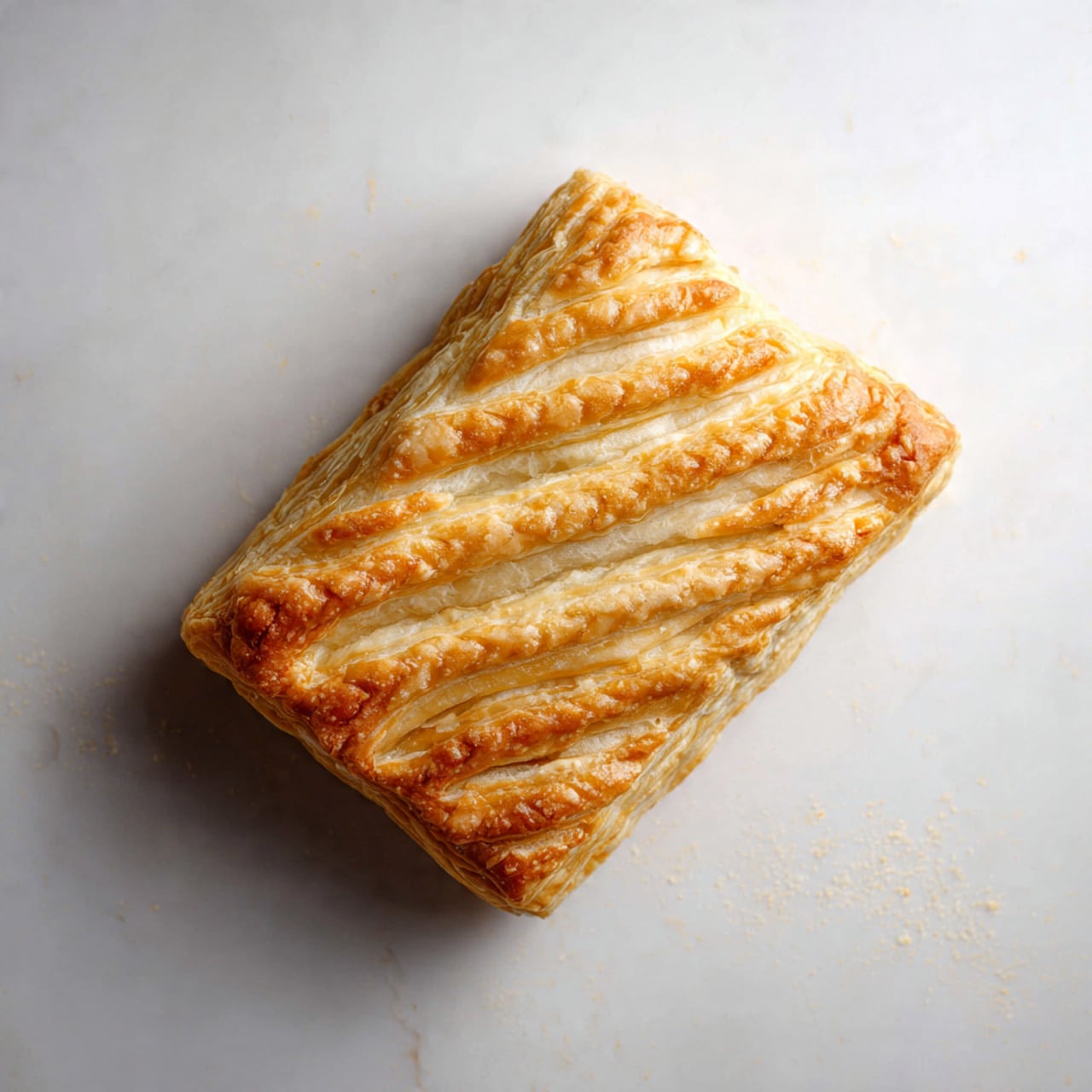
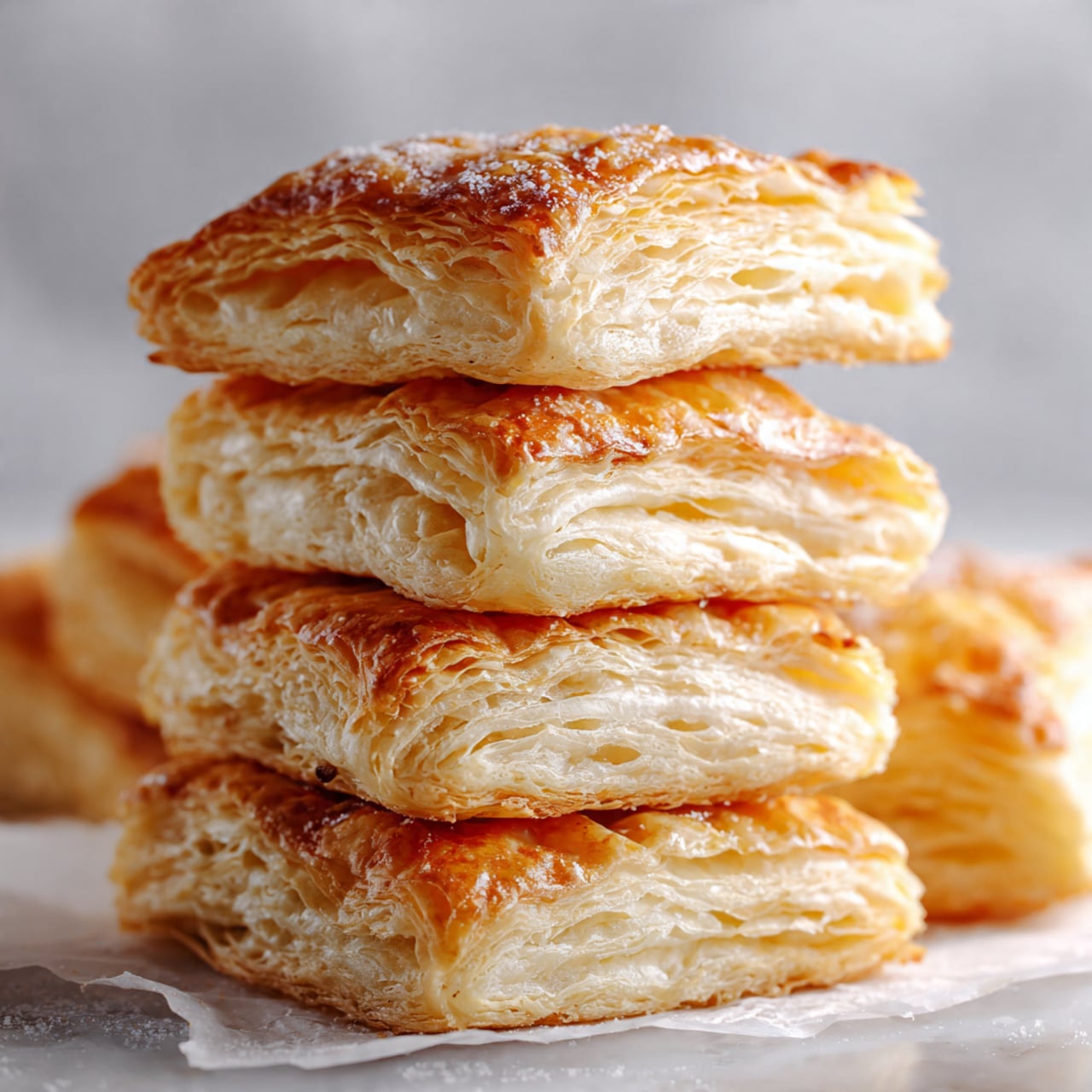
I bake the pastry at 400°F for 15 to 25 minutes, until it is fully puffed and deeply golden.
Servings and Timing
I get about 6 servings from one package of puff pastry. I usually spend about 20 minutes prepping and shaping, then 15 to 25 minutes baking, for a total time of around 1 hour including thawing.
Variations
I like using cheese and herbs for a quick savory snack or fruit and sugar for an easy dessert. I sometimes cut the pastry into twists, turnovers, or bite-sized squares depending on how I plan to serve it. I also enjoy adding spices or grated cheese directly into the egg wash for extra flavor.
Storage/Reheating
I store baked puff pastry in an airtight container at room temperature for one day or in the refrigerator for up to 3 days. To reheat, I warm it in the oven at 350°F for a few minutes so it stays crisp instead of soggy.
FAQs
Why does puff pastry need to stay cold?
I keep it cold because the butter layers create steam in the oven, which is what makes the pastry puff properly.
Can I refreeze puff pastry after thawing?
I avoid refreezing once it has fully thawed, since it can affect the texture and rise.
How much filling should I use?
I use less than I think I need, because overfilling can prevent the pastry from sealing and puffing well.
Do I always need an egg wash?
I use egg wash for shine and color, but I skip it when I want a more rustic finish.
Can I prepare puff pastry ahead of time?
I often shape and fill the pastry, then refrigerate it until I am ready to bake the same day.
Conclusion
I rely on this Easy Puff Pastry Guide whenever I want dependable results with minimal effort. By focusing on temperature, gentle handling, and simple steps, I get beautifully puffed pastry that works for countless recipes and occasions.